
Quokkas and more
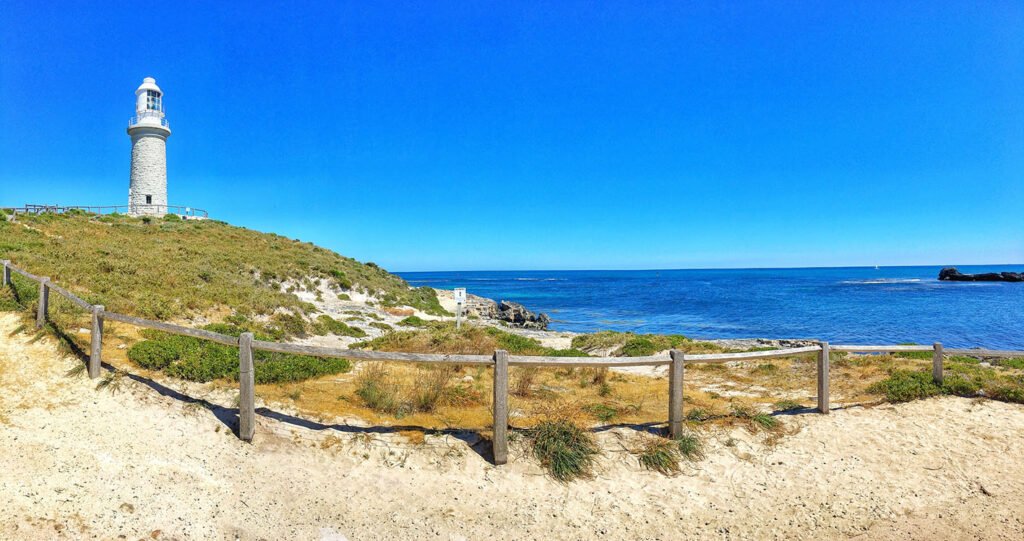
Rottnest Island sits 19 kilometers off the coast of Fremantle and offers crystal-clear waters, white sandy beaches, and encounters with the famous quokka. The island spans 11 kilometers long and features 63 beaches connected by car-free paths perfect for cycling and walking.
Quokkas and Native Species
The quokka is Rottnest Island's most famous resident and exists nowhere else on Earth except Western Australia. These small marsupials roam freely across the island and have earned a reputation as friendly photo subjects. You'll find them near the Thomson Bay settlement and along walking trails throughout the island.
Beyond quokkas, the island operates as a Class A nature reserve protecting unique flora and fauna. You can spot humpback whales breaching offshore between September and November during their migration period. Seals and dolphins frequently appear in the surrounding waters. The marine reserve covers 3,800 hectares and supports numerous coral species, tropical fish, and extensive seagrass beds.
The Basin and Top Swimming Spots
The Basin ranks among the island's most popular swimming locations due to its calm, shallow turquoise waters and proximity to Thomson Bay settlement. The protected bay creates ideal conditions for families and snorkelers.
Geordie Bay and Little Parakeet Bay offer similar sheltered swimming near the main settlement. For a different experience, beaches toward West End provide more rugged, natural scenery. Parker Point and Little Salmon Bay feature designated snorkel trails with underwater information panels that help you identify marine life. The water clarity at these spots makes them perfect for exploring the diverse underwater ecosystem.
Cycling and Outdoor Adventures
Bikes provide the primary transportation method across Rottnest Island since cars are not permitted. The island features over 45 kilometers of paved riding and walking trails that connect beaches, bays, and points of interest.
The Wadjemup Bidi network includes signposted walking trails and boardwalks that cross through the island's interior. These paths let you explore the natural environment at your own pace while accessing remote beaches and lookout points. You can rent bikes near the ferry terminal or bring your own on the ferry. The flat terrain makes cycling accessible for most fitness levels, though some routes to West End involve gentle hills.