
Margaret River and the Southwest
The southwest region delivers a rare combination of world-class wine production, ancient limestone caves, and dramatic coastal scenery within a compact area. You'll find over 200 wineries producing internationally acclaimed wines, alongside natural attractions that include underground cave systems and beaches backed by towering karri forests.
Award-Winning Wineries and Gourmet Experiences
Margaret River produces some of Australia's best Cabernet Sauvignon and Chardonnay, despite being one of the world's youngest wine regions. The area's ancient soils create ideal growing conditions for premium grapes.
You can visit over 150 wineries across the region. Many offer experiences beyond standard tastings. Some cellar doors give you access to winemakers who personally pour samples of their latest releases. Others provide wine blending classes where you create your own blend.
Several wineries pair tastings with food experiences. You can book degustation menus with sommelier-matched wines at select estates. Some venues offer barrel room tours and museum wine tastings featuring aged vintages.
The town of Dunsborough hosts wineries like Flametree Wines, which sits in a prime location within the wine region. Most cellar doors operate year-round, making the area accessible regardless of when you visit.
Margaret River Caves and Nature Trails
The region contains hundreds of limestone caves formed over thousands of years. Several caves are open to the public with guided tours.
These underground systems feature stalactites, stalagmites, and unique rock formations. You can explore different caves based on your interest level and physical ability. Some caves offer gentle walks suitable for families, while others provide adventure caving experiences.
Above ground, the area's forests feature tall karri and jarrah trees. Walking trails wind through these forests, connecting various natural attractions. You'll find trails ranging from short 30-minute walks to full-day hikes.
The inland rivers add another natural element to the region. These waterways flow through forested areas and provide habitat for local wildlife.
Busselton Jetty and Dunsborough
Busselton features the longest wooden jetty in the Southern Hemisphere, stretching 1.8 kilometers into Geographe Bay. You can walk the full length of the jetty or ride a small train to the end.
An underwater observatory sits at the jetty's end, eight meters below the surface. You descend stairs to view marine life and coral formations through viewing windows. The observatory showcases the artificial reef that has formed around the jetty's pylons.
Dunsborough sits 21 kilometers west of Busselton along the coast. The town serves as a gateway to nearby beaches and dive sites. You'll find calm swimming beaches suitable for families, plus access points to more rugged coastal areas.
Both towns provide accommodation options and dining venues focused on local produce and seafood.
Cape to Cape and Leeuwin-Naturaliste National Park
The Cape to Cape Track runs 135 kilometers from Cape Naturaliste to Cape Leeuwin. You can hike the entire trail over several days or tackle shorter sections as day walks.
Leeuwin-Naturaliste National Park protects the coastline along this route. The park includes dramatic cliff formations, secluded beaches, and coastal heathland. You'll encounter lookout points offering views across the Indian Ocean.
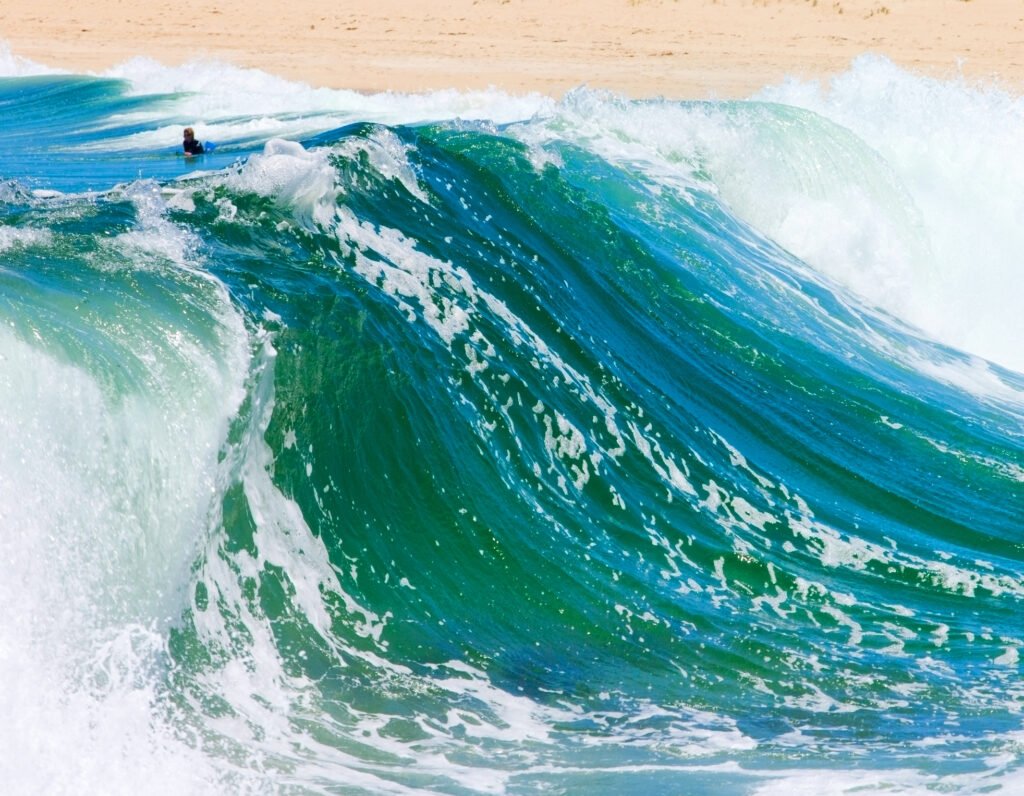
Popular surf breaks dot the coastline throughout the park. The region attracts experienced surfers seeking world-class waves. Swimming and snorkeling spots appear in protected bays between headlands.
Whale watching season runs from June to December. Humpback whales pass through during their annual migration, visible from coastal lookouts and beaches. Several operators offer boat tours for closer encounters.